Fitness Terminology Every Newbie Should Know
Embarking on a fitness journey can be overwhelming, especially for beginners who are just starting out. One of the most important aspects of getting into shape is understanding the jargon and terminology commonly used in the fitness world. Knowing these terms can help you communicate effectively with trainers, instructors, and fellow gym-goers. Here are some essential fitness terminologies every newbie should know:
1. Reps and Sets
Reps, short for repetitions, refer to the number of times you perform a specific exercise. For example, if you are doing bicep curls and complete 10 consecutive repetitions, you have done 10 reps. Sets, on the other hand, are a group of reps. So, if you do three sets of 10 bicep curls, you are performing a total of 30 reps.
2. Cardio
Cardio is short for cardiovascular exercise, which involves activities that elevate your heart rate and increase your overall endurance. Common forms of cardio include running, cycling, swimming, and jumping rope. Cardio workouts are essential for improving heart health and burning calories.
3. HIIT
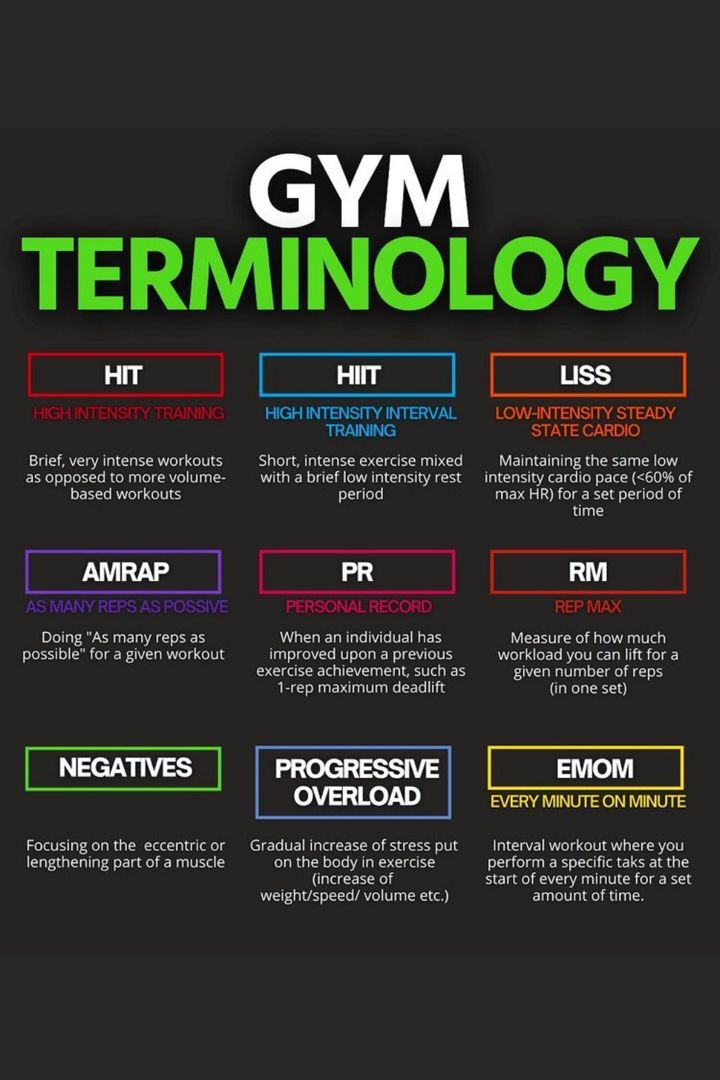
HIIT stands for High-Intensity Interval Training, a form of exercise that alternates between intense bursts of activity and short rest periods. HIIT workouts are known for their efficiency in burning calories and improving cardiovascular fitness in a shorter amount of time compared to traditional steady-state cardio.
4. Body Composition
Body composition refers to the proportion of fat, muscle, bone, and water in your body. It is a more accurate indicator of overall health and fitness than weight alone. Improving body composition often involves reducing body fat percentage and increasing lean muscle mass.
5. DOMS
DOMS stands for Delayed Onset Muscle Soreness, the muscle pain and stiffness that occur 24-48 hours after a strenuous workout. While uncomfortable, DOMS is a normal part of the muscle repair and growth process. It is important to listen to your body and give yourself time to recover from intense workouts.
6. Flexibility
Flexibility refers to the range of motion in your joints and muscles. Stretching exercises can help improve flexibility, which can enhance performance, prevent injuries, and reduce muscle soreness. Incorporating regular stretching into your fitness routine is essential for overall physical well-being.
7. Compound Exercises
Compound exercises are multi-joint movements that target multiple muscle groups simultaneously. Examples include squats, deadlifts, and bench presses. These exercises are effective for building strength, coordination, and functional fitness. Incorporating compound movements into your workout routine can lead to better overall results.
8. Macronutrients
Macronutrients are the three essential nutrients that provide energy and make up the majority of your diet: carbohydrates, proteins, and fats. Each macronutrient plays a unique role in the body and is crucial for overall health and performance. Balancing your macronutrient intake is key to achieving your fitness goals.
Conclusion
Understanding these fitness terminologies is essential for anyone looking to kickstart their fitness journey. By familiarizing yourself with these common terms, you can feel more confident in the gym, communicate effectively with fitness professionals, and track your progress more accurately. Remember, fitness is a journey, and knowledge is power. Keep learning, stay motivated, and enjoy the benefits of a healthier, stronger body.