How to Set SMART Fitness Goals
Setting fitness goals is an important part of any fitness journey. Without clear goals, it can be difficult to stay motivated and track progress. In this guide, we will discuss the importance of setting SMART fitness goals and provide you with a step-by-step process to help you set and achieve your goals.
What are SMART Fitness Goals?
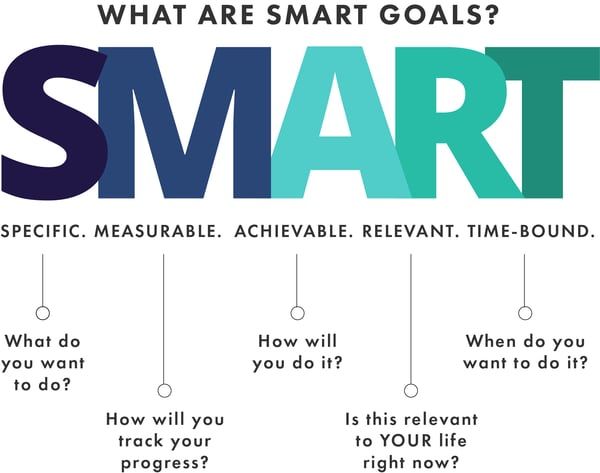
SMART is an acronym that stands for Specific, Measurable, Achievable, Relevant, and Time-bound. When setting fitness goals, it’s important to make sure they meet these criteria to increase your chances of success.
Specific:
Your fitness goals should be clear and specific. Instead of saying, “I want to lose weight,” specify how much weight you want to lose and by when. For example, “I want to lose 10 pounds in the next three months.”
Measurable:
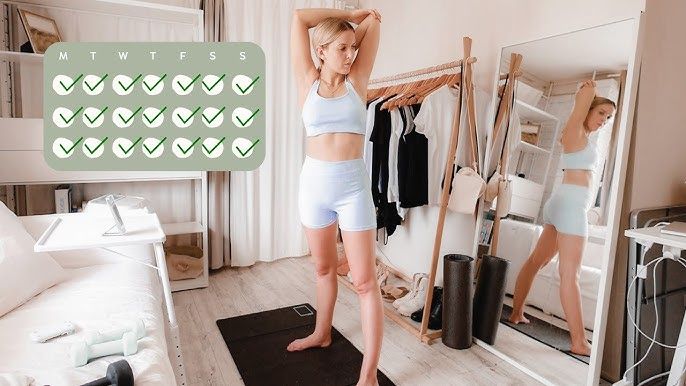
Your goals should be measurable so you can track your progress. This could be tracking the number of days you work out each week, the amount of weight you lift, or the distance you run. Make sure you have a way to measure your progress towards your goal.
Achievable:
While it’s great to challenge yourself, it’s important to set goals that are achievable. Setting unrealistic goals can lead to burnout and disappointment. Make sure your goals are challenging but within reach with dedication and hard work.
Relevant:
Your fitness goals should be relevant to your overall fitness journey. Make sure your goals align with your long-term objectives and fit into your lifestyle. For example, if you’re training for a marathon, your goal could be to improve your running endurance.
Time-bound:
Setting a deadline for your fitness goals can help keep you accountable and motivated. Give yourself a realistic timeframe to achieve your goals. This could be a week, a month, or even a year, depending on the complexity of your goal.
How to Set SMART Fitness Goals
Now that you understand the principles of SMART fitness goals, let’s walk through a step-by-step process to help you set your own goals:
1. Identify Your Why
Before you set your fitness goals, it’s important to identify why you want to achieve them. Whether it’s to improve your health, boost your confidence, or compete in a fitness competition, knowing your “why” will help you stay committed when challenges arise.
2. Assess Your Current Fitness Level
Take stock of your current fitness level to determine where you are starting from. This will help you set realistic and achievable goals that are tailored to your individual needs and abilities.
3. Set Specific Goals
Using the SMART criteria, set specific goals that are clear, measurable, achievable, relevant, and time-bound. For example, “I want to lose 5% body fat in the next three months by working out four days a week and following a healthy diet.”
4. Create a Plan
Once you have your goals in place, create a plan to achieve them. This could include scheduling workouts, meal planning, tracking your progress, and seeking support from a fitness coach or community.
5. Track Your Progress
Regularly track your progress towards your fitness goals to see how far you’ve come and make adjustments as needed. This could include taking measurements, keeping a workout journal, or using fitness apps to monitor your progress.
6. Celebrate Your Achievements
As you reach milestones and achieve your fitness goals, be sure to celebrate your achievements. This will help keep you motivated and excited about continuing your fitness journey.
Conclusion
Setting SMART fitness goals is essential for success in your fitness journey. By following the SMART criteria and creating a clear plan, you can set yourself up for success and achieve your fitness goals. Remember to stay focused, stay motivated, and celebrate your achievements along the way.