
How Exercise Improves Mental Health
Exercise is not just beneficial for physical health, but it also plays a crucial role in improving mental well-being. In today’s fast-paced world, where stress and anxiety are prevalent, incorporating regular exercise into your routine can help to boost your mood, reduce symptoms of depression, and enhance overall mental health.
Effects of Exercise on the Brain
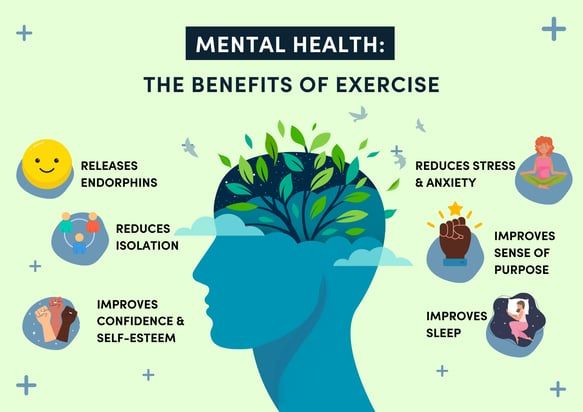
When you engage in physical activity, your body releases endorphins, also known as “feel-good” hormones. These chemicals help to reduce pain and induce feelings of happiness and relaxation. Exercise also increases the production of neurotransmitters like serotonin and dopamine, which are essential for regulating mood and reducing stress.
Stress Reduction
Exercise is a great way to combat stress and anxiety. Physical activity helps to lower cortisol levels, the stress hormone, and promotes relaxation. Whether you prefer going for a run, practicing yoga, or lifting weights, regular exercise can help to clear your mind, improve focus, and reduce feelings of overwhelm.
Improved Sleep Quality
Many people struggle with sleep issues, which can have a detrimental impact on mental health. Regular exercise has been shown to improve sleep quality and duration. Physical activity helps to regulate your body’s internal clock, making it easier to fall asleep and stay asleep throughout the night. Better sleep leads to improved cognitive function and emotional well-being.
Enhanced Self-Esteem and Confidence
Engaging in consistent exercise can boost your self-esteem and confidence. As you reach fitness goals and see improvements in your physical health, you also experience a sense of accomplishment and pride. This positive feedback loop can translate into greater self-confidence and a more positive self-image.
Social Connections
Exercise provides opportunities to connect with others and build social support networks. Whether you join a fitness class, workout with a friend, or participate in team sports, exercising with others can improve your mental health by fostering a sense of community and belonging. Social connections are crucial for overall well-being and can help combat feelings of isolation and loneliness.
Conclusion
In conclusion, exercise is a powerful tool for improving mental health. It can boost mood, reduce symptoms of depression and anxiety, enhance cognitive function, and improve overall well-being. By incorporating regular physical activity into your routine, you can experience the numerous benefits that exercise has to offer for your mental health.